
 Valuations
 Surveying
 Advice & consultancy
Valuations
22 June 2023
Agricultural land valuation, a clear guide
Valuing agricultural land requires specialized expertise. At CC Experts, we have the knowledge and experience to objectively and professionally assess the market value of farmland, meadows, or pastures.
Do you want a professional valuation of farmland, a meadow, or pasture? Trust CC Experts as your independent appraiser.
Read below for everything you need to know about valuing farmland, meadows, or pastures.
The value of agricultural land depends on multiple factors:
- Size and shape of the plot
- Soil type, orientation, and topography
- Any land improvements
- Lease or tenancy status
We discuss the main factors that determine the value of farmland and pastures.
Location
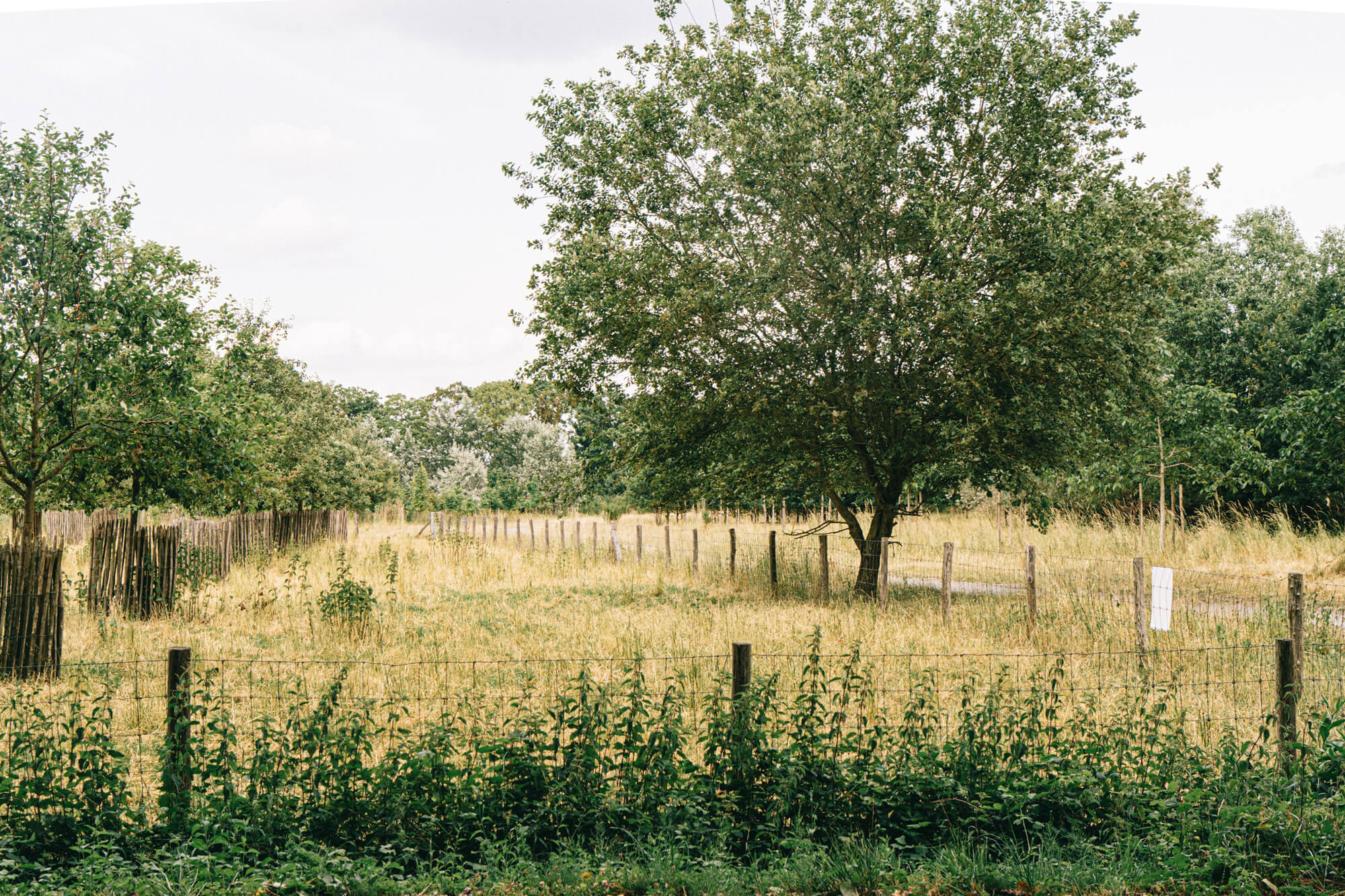
Location, location, location. As with other types of real estate, location is a key factor in determining the value of farmland or pasture.
Prices are influenced by the region, province, or municipality. The highest agricultural land prices are in West Flanders, averaging €7.70 per m², while the lowest are in Liège and Hainaut, around €3.50 per m² (Notarisbarometer 2022).
Between 2017 and 2022, average land prices increased across all provinces, with significant variation. The largest increase was observed in Limburg at 41.3%, while Antwerp saw the smallest rise at 4.0%. On average, prices in Flanders and Wallonia increased by approximately 23.9% and 22.5%, respectively.
Local factors also influence value, including accessibility, road connections, flood risk, and proximity to farms or homesteads.
Size & Shape
The size of the land clearly affects its value. For very large plots, the value per unit may decrease slightly. The same can apply to very small individual plots.
In 2021, the Flemish Region had 624,634 hectares of agricultural land, representing 46% of the region’s total land area. The majority of this land is used for feed crops (57%), followed by arable farming (33%) and horticulture (9%). Within arable farming, grain cultivation dominates, with potatoes and sugar beets ranking second and third. Horticulture is divided into vegetable cultivation (over 50% of horticultural land), fruit cultivation (about one-third), and ornamental crops.
The largest shares of agricultural land are in West and East Flanders, followed by Noorderkempen, North Limburg, and Haspengouw. Average plot sizes are largest in West Flanders (1.9 ha) compared to Flemish Brabant (0.5 ha) and Limburg (0.6 ha).
The shape of the plot is also important. A regularly shaped plot is easier to cultivate than an irregular one, and irregular plots generally yield less. Regularly shaped plots can be farmed more efficiently, resulting in higher productivity.
For pastures, shape is somewhat less critical, but regularity still offers advantages. Regularly shaped meadows are easier to mow and simplify the installation of structures such as fences, shelters, or paddocks.
Soil type
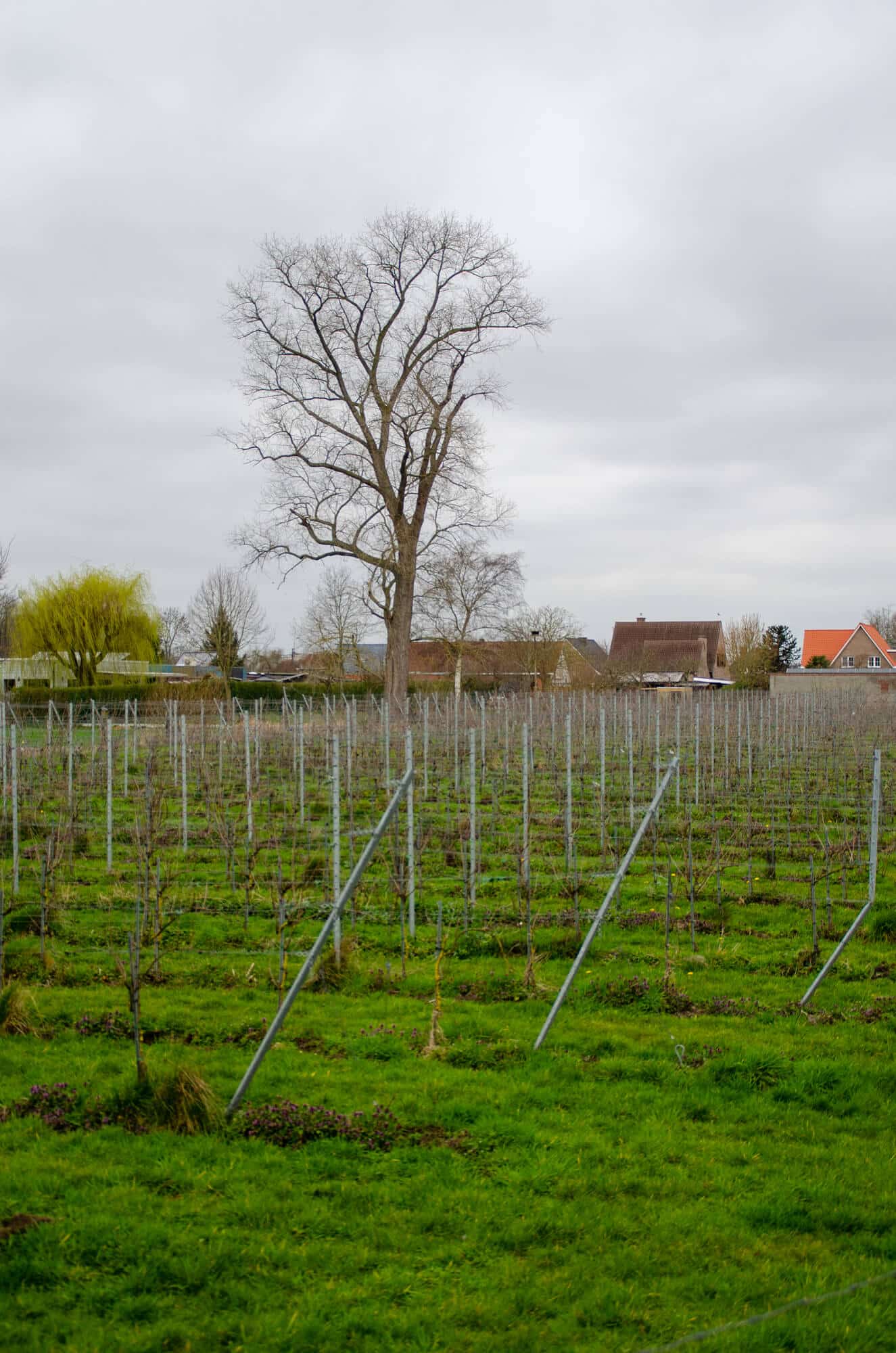
The nature of the soil is the most important factor in evaluating farmland. Land use depends heavily on soil condition and fertility. Agricultural suitability, as it is called, plays a decisive role in land valuation. The main elements of this suitability are: the topsoil’s structure class (soil type), drainage class, and profile development.
Polder soils as well as sandy loam and clay soils are generally the most fertile types of farmland. Clay should contain some sand, since sand makes it more permeable; otherwise, clay soil can become overly wet during heavy rainfall or prolonged wet periods. Sandy soils, by contrast, require more fertilizers, while loam soils are harder to work. It is therefore no surprise that the largest share of farmland is found in Belgium’s most fertile regions, such as West Flanders and the Polder area.
Other important considerations for farmland valuation include soil homogeneity (does the entire plot consist of the same type of soil?), groundwater availability (and its quality), and the risk of yield losses (such as forest edge effects, erosion, or wildlife damage).
Soil type is less decisive for pastureland. Pastures are often located on soils of lower fertility, for example, on slopes or in areas prone to flooding.
Orientation and slope
Orientation and slope are also taken into account in farmland valuation. A southeast-facing orientation is favorable for fruit cultivation. Elevated sandy land tends to be very dry, while low-lying land stays moist for long periods. Slope also influences the type of cultivation possible: steep slopes are usually used as pasture, though in some cases they can be cultivated, for instance, for vineyards.
Soil improvements
Soil improvements—such as drainage, irrigation, maintenance, and fertilization—affect the value of farmland. The condition of the plot also plays a role in valuation. Naturally, a well-maintained parcel is worth more than one that is over-fertilized. For pastures, the presence of a quality fence can increase value, as can existing shelters. Such structures are usually necessary before a pasture can be put to use.
Legal aspects
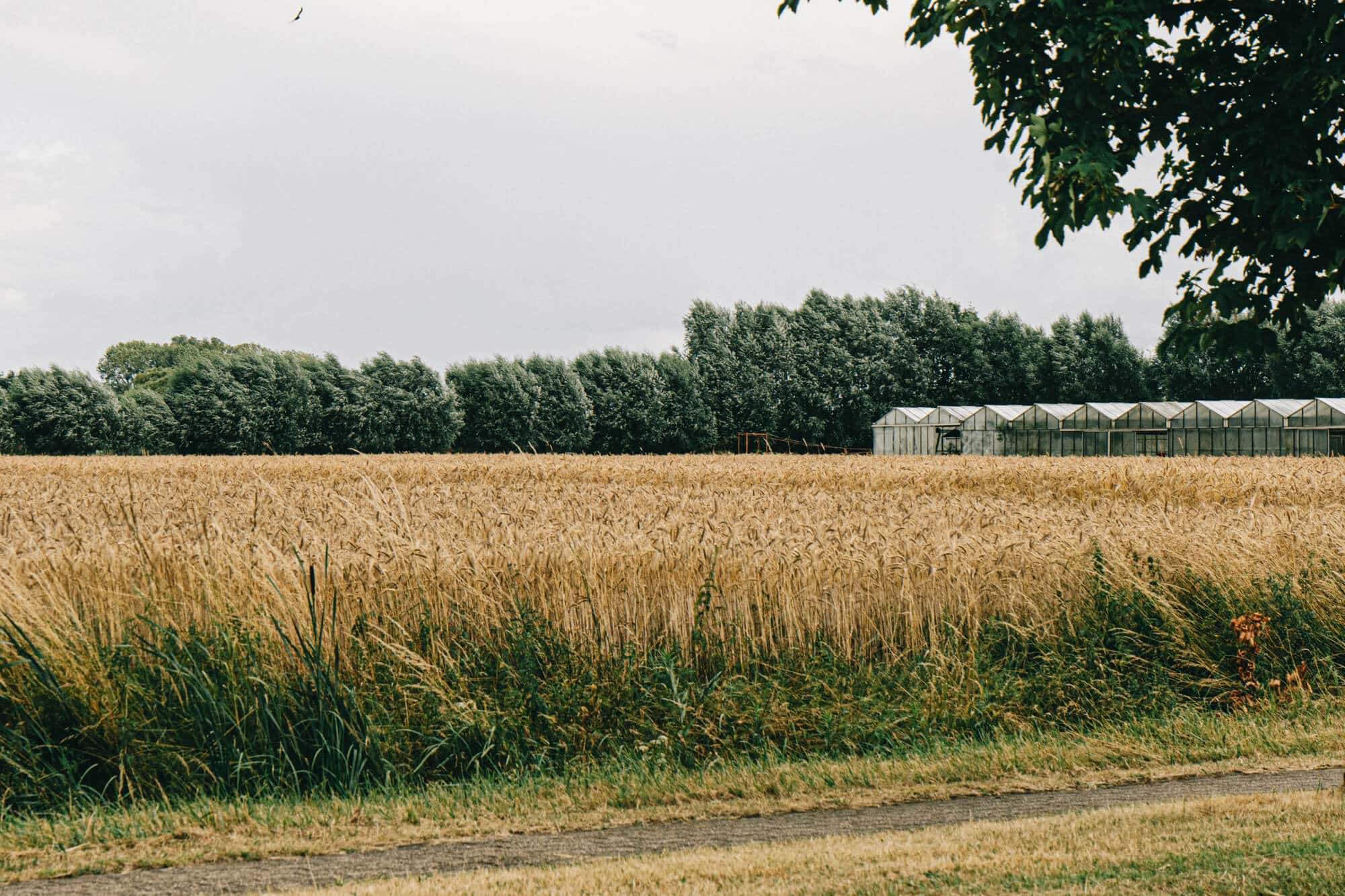
Legal factors also play an important role in farmland valuation. One key element is the tenancy status of the plot: is the land free for immediate use, or is it leased for an extended period? Provisions in the tenancy law have a significant impact on the valuation of both farmland and pasture. Other considerations include possible easements burdening the property, as well as soil contamination. The agricultural sector is also subject to a wide range of regulations concerning land use:
- The Manure Decree, which outlines the obligations farmers and horticulturalists in Flanders must meet when fertilizing agricultural land, and the zero-fertilization rule in nature and forest areas (where no fertilizers may be applied, except through direct grazing).
- The Nitrogen Agreement and the new Tenancy Decree (not yet finalized but indicative of future regulatory trends).
- Restrictions arising from spatial planning and urban development laws.
In other words, the valuation of farmland or pastureland, just like any other type of real estate, depends on a wide range of factors. It is always essential to analyze and study the complete picture in order to reach an objective and market-based result.
Comparative method
The most common and reliable method for valuing farmland is the comparative approach. In this method, the value of farmland or pastureland is determined by comparing prices with similar plots. Similarities and differences in characteristics and value-determining factors are analyzed and objectified.
Order a valuation online
Would you like to have a valuation carried out for farmland or pastureland?
Look no further, trust CC Experts as your independent valuer.
Want to learn more about farmland valuation?
Since each case and project is unique, we tailor our services to your specific needs.
Contact us for more information.